[트리 순회 (Tree Traversal)] LC #589 N-ary Tree Preorder Traversal
문제 설명
Given the root of an n-ary tree, return the preorder traversal of its nodes' values.
Nary-Tree input serialization is represented in their level order traversal. Each group of children is separated by the null value (See examples)
Example 1:
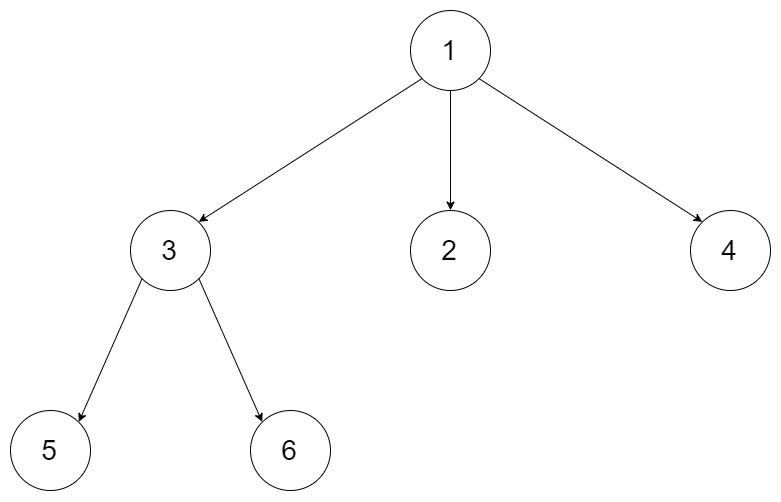
Input: root = [1,null,3,2,4,null,5,6]
Output: [1,3,5,6,2,4]
Example 2:
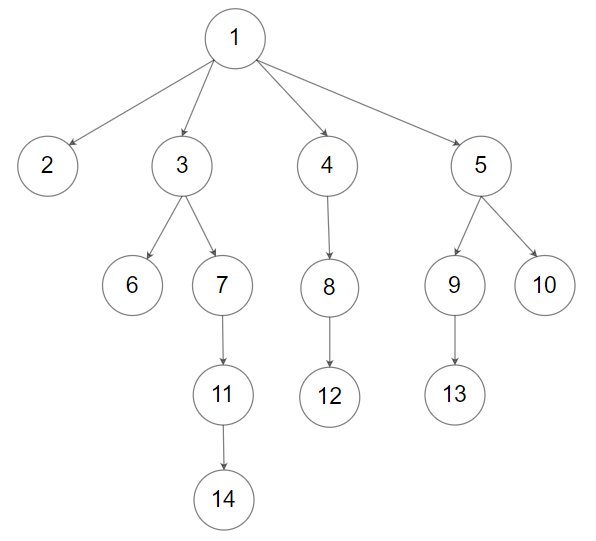
Input: root = [1,null,2,3,4,5,null,null,6,7,null,8,null,9,10,null,null,11,null,12,null,13,null,null,14]
Output: [1,2,3,6,7,11,14,4,8,12,5,9,13,10]
Constraints:
- The number of nodes in the tree is in the range
[0, 104]. 0 <= Node.val <= 104- The height of the n-ary tree is less than or equal to
1000.
Follow up: Recursive solution is trivial, could you do it iteratively?
문제 링크: https://leetcode.com/problems/n-ary-tree-preorder-traversal/
1. 문제의 핵심: 전위 순회(Preorder Traversal)의 이해
트리 순회는 알고리즘의 기본 중의 기본입니다. 전위 순회는 "루트(자기 자신) → 자식들" 순서로 노드를 방문하는 것을 의미합니다. 이진 트리에서는 "루트 → 왼쪽 → 오른쪽" 순서였지만, 자식이 여러 개인 N-ary 트리에서는 "루트 → 첫째 자식 서브트리 → 둘째 자식 서브트리 → ..." 순서로 방문하게 됩니다.
핵심 아이디어: 1. 현재 노드를 먼저 처리(방문)한다. 2. 그 다음, 자식 노드들을 순서대로 재귀적으로 방문한다.
2. 해결 전략
문제의 Follow-up에서 재귀적 풀이와 반복적 풀이를 모두 요구하고 있습니다.
방법 1: 재귀(Recursion)를 이용한 풀이
- 결과를 담을 리스트를 생성합니다.
- 재귀적으로 동작할 헬퍼(helper) 함수를 만듭니다. 이 함수는 현재 노드와 결과 리스트를 인자로 받습니다.
- 헬퍼 함수 내부 로직:
- 현재 노드가 `null`이면 즉시 종료합니다.
- 현재 노드의 값을 결과 리스트에 추가합니다. (루트 먼저 처리)
- 현재 노드의 모든 자식(children)에 대해 재귀적으로 헬퍼 함수를 호출합니다.
방법 2: 반복(Iteration)과 스택(Stack)을 이용한 풀이
- 결과를 담을 리스트와 노드를 담을 스택을 생성합니다.
- 루트 노드가 `null`이 아니면 스택에 추가합니다.
- 스택이 빌 때까지 반복합니다.
- 스택에서 노드를 하나 꺼내(pop) 현재 노드로 지정하고, 그 값을 결과 리스트에 추가합니다.
- 현재 노드의 자식들을 역순(오른쪽부터 왼쪽으로)으로 스택에 넣습니다.
- 결과 리스트를 반환합니다.
3. Java 코드 구현
재귀적 풀이 (Recursive)
import java.util.ArrayList;
import java.util.List;

class Solution {
    public List<Integer> preorder(Node root) {
        List<Integer> result = new ArrayList<>();
        traverse(root, result);
        return result;
    }

    private void traverse(Node node, List<Integer> list) {
        if (node == null) {
            return;
        }
        // 1. 루트 노드 먼저 방문
        list.add(node.val);
        // 2. 자식 노드들을 순서대로 방문
        for (Node child : node.children) {
            traverse(child, list);
        }
    }
}
반복적 풀이 (Iterative)
import java.util.ArrayList;
import java.util.Collections;
import java.util.List;
import java.util.Stack;

class Solution {
    public List<Integer> preorder(Node root) {
        List<Integer> result = new ArrayList<>();
        if (root == null) {
            return result;
        }

        Stack<Node> stack = new Stack<>();
        stack.push(root);

        while (!stack.isEmpty()) {
            Node current = stack.pop();
            result.add(current.val);

            // 자식들을 역순으로 스택에 넣어야 왼쪽부터 처리됨 (LIFO)
            Collections.reverse(current.children);
            for (Node child : current.children) {
                stack.push(child);
            }
        }
        return result;
    }
}
💡 코드 세부 포인트
- 재귀 vs 반복: 재귀적 풀이는 코드가 간결하고 전위 순회의 정의를 그대로 표현하여 직관적입니다. 반복적 풀이는 재귀 호출의 오버헤드가 없으며, 시스템 스택 대신 명시적인 스택을 사용합니다.
- 반복 풀이의 핵심: 스택은 LIFO(Last-In, First-Out) 구조입니다. 왼쪽 자식을 먼저 처리하려면, 스택에 넣을 때는 오른쪽 자식부터 넣어야 합니다. 코드에서는 `Collections.reverse()`를 사용했지만, `for` 루프를 `children.size() - 1`부터 `0`까지 역순으로 돌려도 동일한 결과를 얻을 수 있습니다.